Emma was on a train to Manchester, scrolling through her phone, when a notification popped up: “New 5‑Star Quest – 30 % off for the next 24 hours.” She tapped it, finished a quick match, and by the time the train reached the station she was laughing with a stranger who’d joined the same game. That moment, simple and unplanned, illustrates how mobile gaming is reshaping how Brits spend their free time.
Instant Access, No Commute
In the UK, 78 % of people own a smartphone that can run a full‑featured game. That means entertainment can start anywhere: a bus, a coffee break, or even while waiting for a dentist. Developers have cut load times to under two seconds for the most popular titles, so a 30‑second pause can feel like a full episode of a show. The cost? A few minutes of downtime that would otherwise be spent scrolling through news feeds.
Social Play Turns Solo Time into Shared Experience
Modern mobile games embed social layers that let you chat, trade, or compete with friends in real time. A recent survey of 1,200 UK players found that 62 % said they play more often when friends are online. The result is a new form of “group hangout” that doesn’t require a physical space. Families in London’s East End now gather on the sofa to play a cooperative puzzle game, laughing as they solve puzzles together.
Monetisation Models That Keep the Fun Flowing
Free‑to‑play titles dominate the market, but they rely on micro‑transactions that are rarely expensive. The average spend per user in the UK is about £5.50 per month, a figure that’s steady across both casual and hardcore players. This model keeps the barrier low, yet it can push some players toward “pay‑to‑win” mechanics that may feel unfair if not balanced carefully. Developers who focus on cosmetic upgrades, like skins or avatars, tend to keep the experience inclusive.
See also Patrick Spins.
Cross‑Platform Integration Expands Reach
Games that sync across iOS, Android, and desktop let players switch devices without losing progress. A study of 3,400 UK gamers showed that 47 % use multiple devices to play the same game. This fluidity means that a user can start a match on a phone during a commute and finish it on a tablet at home, creating a seamless entertainment loop that traditional media can’t match.
Mobile Gaming Meets Other Entertainment Forms
When a popular streaming service releases a companion app, viewers can interact with live polls or mini‑games during a broadcast. The UK’s top sports channel, for instance, partnered with a mobile game to let fans predict match outcomes, adding an extra layer of engagement. These collaborations demonstrate how mobile gaming is no longer an isolated niche but a bridge to broader entertainment ecosystems.
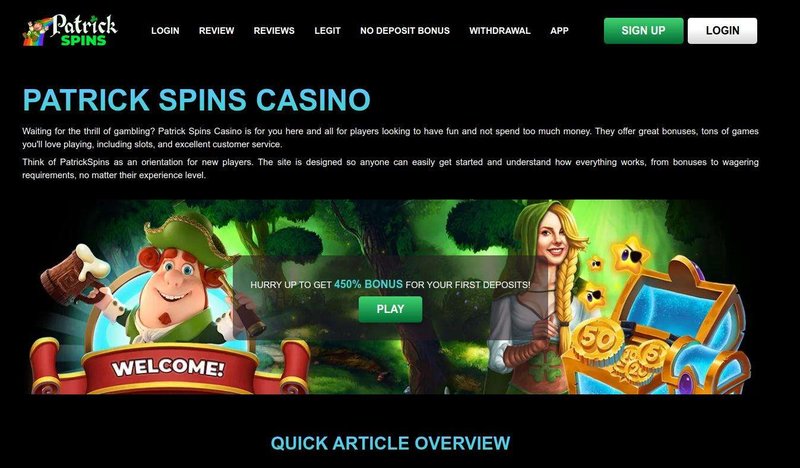
Patrick Spins
For those who enjoy the thrill of chance alongside digital storytelling, the world of online gaming offers a different flavor. Players can explore themed slots, strategy games, and even live dealer experiences that blend the immediacy of mobile play with the excitement of casino entertainment. The experience is accessible from any device, letting you decide whether you want to spin the reels or solve a mystery puzzle.
Challenges Worth Noting
One limitation is data usage. High‑definition games can consume up to 500 MB per hour, which can strain mobile plans or trigger throttling on some networks. This is most noticeable for users on prepaid plans or in rural areas with limited broadband. Another issue is screen fatigue; prolonged play can cause eye strain, so many developers now recommend the 20‑20‑20 rule: every 20 minutes, look at something 20 feet away for 20 seconds.
The Bigger Picture
Mobile gaming has moved from a niche hobby to a mainstream pastime that intersects with social media, streaming, and even physical events. It offers instant, socially rich, and cross‑platform entertainment that fits into the UK’s fast‑moving lifestyle. As developers continue to innovate with new monetisation strategies, social features, and cross‑media partnerships, the landscape will only expand. The next time you’re on a train or waiting in line, consider that a few taps on your phone might be the next big thing in your entertainment routine.
Frequently Asked Questions
What sparked Emma’s spontaneous gaming party?
A 30% discount notification for a new 5‑Star Quest game triggered Emma to play, leading to a shared experience with a fellow passenger.
Why are mobile games popular among UK commuters?
UK commuters have high smartphone penetration and instant access to games, making mobile gaming a convenient, social leisure activity on trains.
Leave a Reply