
Understanding the Essentials of International Casino Licensing
When it comes to the world of online gaming and casinos, the term “licensing” holds significant weight. What International Casino Licensing Involves https://www.consensum-vuxs.se/ A license operates as a mark of legitimacy, not only ensuring that operators adhere to the standards set by regulatory bodies but also providing a level of protection to players engaging in gambling activities. In this article, we will delve deep into the intricate world of international casino licensing, exploring its importance, processes, and implications for all stakeholders involved.
What is Casino Licensing?
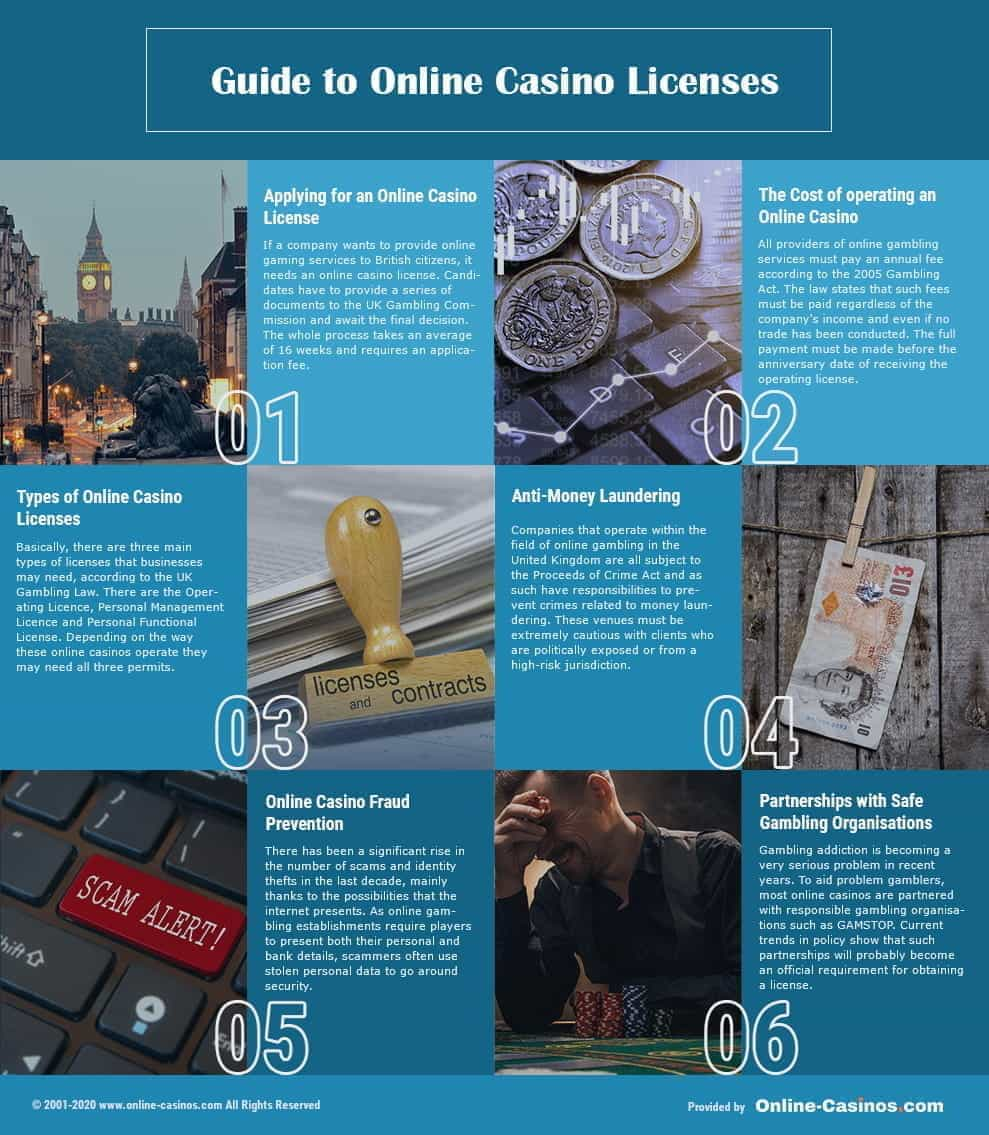
Casino licensing refers to the legal process by which a casino operator obtains permission from a relevant authority to offer gambling services. This process ensures that the casinos operate under a set of regulations designed to protect consumers, promote fairness, and prevent illegal activities, such as money laundering and fraud. Depending on the jurisdiction, obtaining a license can be a lengthy and complex procedure, often requiring significant documentation and compliance with specific operational standards.
Why is Casino Licensing Important?
Casino licensing is crucial for several reasons:
- Consumer Protection: Licensing ensures that operators comply with laws mandating fair gaming practices, responsible gambling measures, and secure financial transactions. This protects players from potential exploitation.
- Legal Operation: A valid license allows a casino to operate legally within its jurisdiction, which significantly reduces the risk of legal issues for both the operator and its players.
- Reputation and Trust: Licensed casinos are more likely to earn the trust of players. A license from a reputable authority serves as a quality assurance seal, encouraging player loyalty.
- Prevention of Crime: Licensing helps mitigate the risks of criminal activities, such as money laundering, by enforcing strict operational guidelines and monitoring practices.
Types of Casino Licenses
There are several different types of casino licenses available, each catering to various types of gaming and operational models. Some of the most common include:
- Online Casino Licenses: Specifically designed for online gaming platforms. Major jurisdictions include Malta, the UK, and Gibraltar.
- Land-Based Casino Licenses: Required for brick-and-mortar establishments, this license covers all forms of gaming offered in a physical location.
- Interactive Gaming Licenses: This type covers various forms of interactive gaming, such as poker rooms and betting exchanges.
- Special Event Licenses: Sometimes, temporary licenses can be obtained for special events or specific gaming activities.
Major Licensing Jurisdictions
Across the globe, several jurisdictions are renowned for issuing casino licenses. Each jurisdiction has its own regulatory framework, advantages, and challenges. Here are some of the prominent ones:
Malta
Malta is a popular destination for online casinos, thanks to its favorable taxation policies and robust regulatory framework. The Malta Gaming Authority (MGA) is the primary regulatory body overseeing all gambling activities. A license from Malta is highly regarded and is recognized in various international markets.
United Kingdom
The UK Gambling Commission (UKGC) is known for its stringent standards and regulations. Casinos licensed by the UKGC are expected to uphold higher levels of player protection, proving beneficial in establishing player trust.
Gibraltar
Another key player in the online gambling market, Gibraltar offers a welcoming environment for gaming companies. The local government has implemented laws encouraging responsible gambling while maintaining a competitive tax structure for operations.
Curacao
Curacao provides a less stringent application process compared to other jurisdictions, making it an attractive option for new gaming operators. However, it is essential for players to conduct thorough research when engaging with Curacao-licensed casinos, as the regulatory oversight may not be as rigorous as in other jurisdictions.
The Licensing Process
The licensing process can vary significantly between jurisdictions, but generally involves several key steps:
- Application Submission: Operators must submit a comprehensive application, including detailed information about the business structure, ownership, and operational plans.
- Background Checks: Regulatory bodies will conduct background checks on key personnel, including owners and management to ensure they have a clean history and no criminal affiliations.
- Financial Audits: Applicants are often required to demonstrate their financial stability through audits and proof of sufficient capital to run the operations.
- Compliance Review: The regulatory body will review the applicant’s compliance with local laws and regulations, assessing their gaming software, payout mechanisms, and responsible gaming measures.
- Approval and Licensing Fees: Once approved, operators typically must pay a licensing fee, which can vary widely between jurisdictions.
Challenges Associated with Casino Licensing
While obtaining a casino license is integral to running a legal and reputable gaming operation, it is not without its challenges. Some common hurdles include:
- Complexity of Regulations: The varying laws and regulations between jurisdictions can be challenging for operators seeking to establish a presence in multiple regions.
- High Costs: The licensing process can be expensive, with application fees, compliance costs, and necessary legal consultations adding up quickly.
- Lengthy Process: The time required to obtain a license can be prohibitive, leading to potential financial strain during the waiting period.
Conclusion
In summary, international casino licensing serves as a vital pillar in the world of gaming, ensuring that operators provide safe and fair services. For players, a valid casino license represents a promise of protection and transparency. As the industry continues to grow and evolve, understanding the complexities and implications of international casino licensing will remain essential for operators and players alike, fostering a responsible and thriving gaming environment.